August 5, 2026
Big Island Art: Volcanoes, Culture & Inspiration
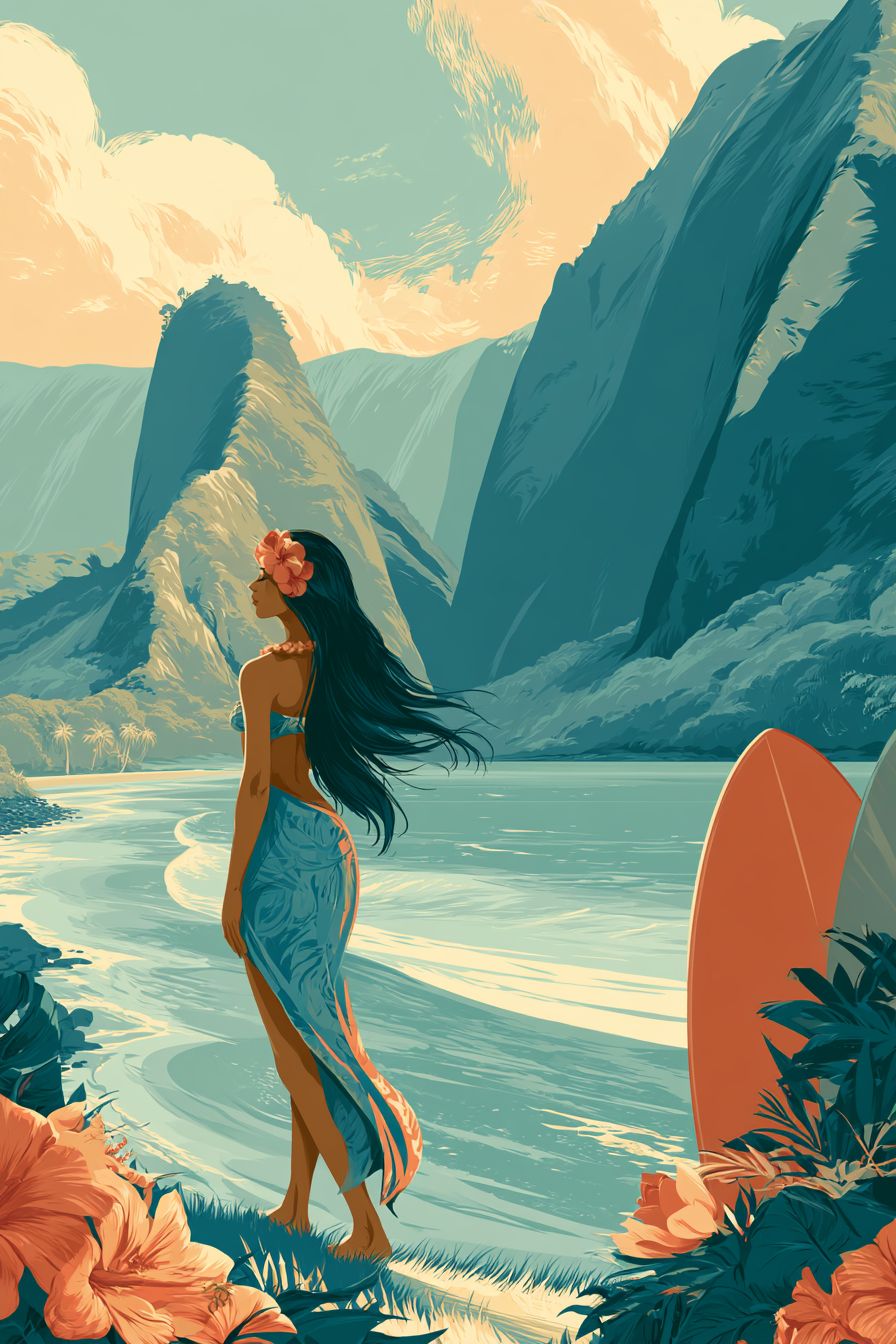
No island in Hawaii offers a wider range of landscape than the Big Island of Hawaii — and that range has produced one of the most varied art traditions in the entire state. Within a single day's drive, the Big Island moves from black lava fields to snow-capped mountain peaks to lush rainforest, giving artists an almost unmatched amount of material to draw from.
Kilauea & the Art of Living Fire
Home to some of the most active volcanoes on Earth, the Big Island has inspired generations of artists drawn to the raw power of molten lava meeting the ocean. This subject — glowing red rivers of lava against a dark night sky — has become one of the most iconic and instantly recognizable genres of Hawaii art, capturing a side of the islands most visitors never get to witness firsthand.
Kona & Kohala: Sun-Drenched Coastlines
On the island's western side, the Kona and Kohala coasts offer a completely different mood — golden coastline, calm turquoise bays, and some of the best sunsets in Hawaii. This stretch of coast has long supported a strong local gallery and gift shop scene, giving Big Island artists a direct connection between their work and the visitors who fall in love with the area.
Mauna Kea: Where Snow Meets the Tropics
Few places on Earth let you see snow-capped peaks and tropical beaches in the same view — but Mauna Kea, the Big Island's tallest mountain, makes it possible. This striking contrast has made Mauna Kea a favorite subject for artists looking to capture just how much diversity exists within the Hawaiian Islands.
A Living Laboratory for Island Art
Because the Big Island is still actively growing — new land is created every time lava reaches the ocean — it holds a unique place in Hawaiian art and culture as a symbol of creation and renewal. That sense of a living, changing landscape continues to draw artists who want their work to reflect not just how the islands look, but how they came to be.