August 5, 2026
Framing & Displaying Your Hawaii Art Print: A Simple Guide
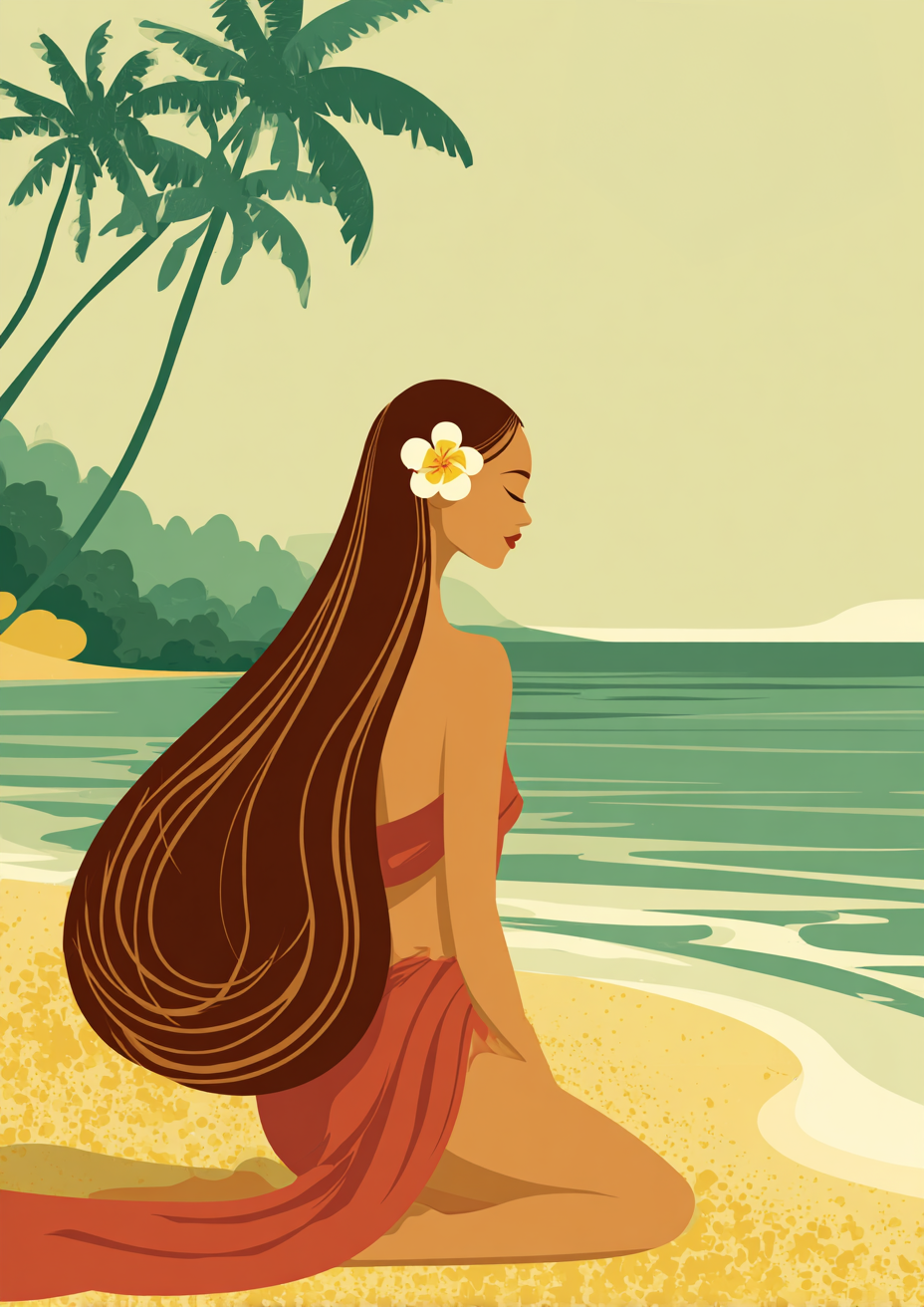
Choosing the right Hawaii art print is only half the job — how you frame and display it matters just as much. A great piece can get lost with the wrong frame or hung at the wrong height. Here's how to get it right.
Choosing a Frame Style
For vintage-style or travel-poster-inspired prints, a simple black or dark wood frame tends to work best — it echoes the bold, graphic feel of the art without competing with it. For softer, more painterly pieces, a natural wood or white frame can feel more organic and let the artwork's color do the talking. As a general rule, simpler is almost always better; ornate frames tend to fight with bold island color palettes rather than complement them.
Matting: Yes or No?
A mat (the border of blank space between the print and the frame) can help a smaller print feel more substantial on a large wall, and it adds a clean, gallery-like feel. For bolder, color-saturated prints, skipping the mat and letting the print fill the frame edge-to-edge can create a punchier, more modern look instead.
Getting the Height Right
The most common framing mistake is hanging art too high. As a general guideline, the center of your artwork should sit at roughly eye level — around 57-60 inches from the floor for most standing adults. When hanging art above furniture like a sofa or console table, aim to leave about 6-12 inches of space between the top of the furniture and the bottom of the frame.
Grouping Multiple Prints
If you're working with more than one print — especially common with bulk orders for a gallery wall — keep spacing consistent, usually 2-3 inches between frames, and try to align either the tops, centers, or bottoms of the frames in a straight line for a clean, intentional look rather than a scattered one.
Protecting Your Print
Direct sunlight can fade prints over time, so when possible, avoid hanging art in direct, unfiltered sun exposure for many hours a day. A little care in placement goes a long way toward keeping your Hawaii art looking vibrant for years to come.